
Last updated 2026-10-19 · Sources at the bottom
Housing options for a pipeline spread
| Fixed lodge | Hotels | RV park | Owned relocatable units | |
|---|---|---|---|---|
| Fit for a moving job | Poor once the spread passes it | Depends on towns along the route | Depends on parks along the route | Good: units move forward |
| Control | Low | Low | Low to medium | Full |
| Cost structure | Per bed-night, often with minimums | Per room-night | Per site-month; workers bring RVs | Units + moves + site costs, minus resale |
| Left at the end | Nothing | Nothing | Nothing | Units to redeploy or sell |
Units built to move
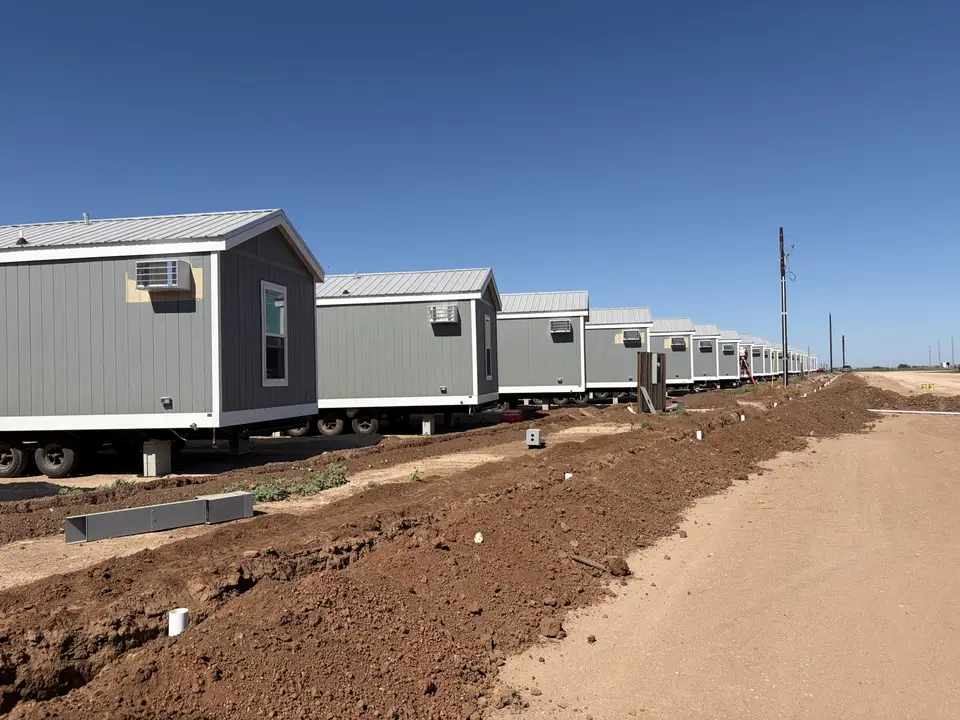
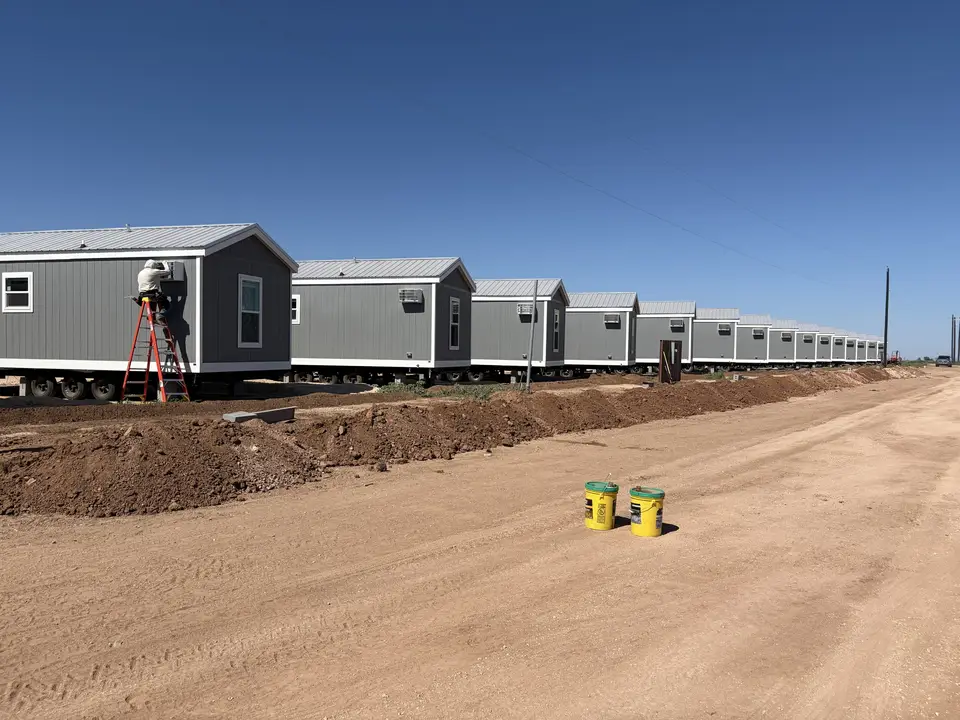
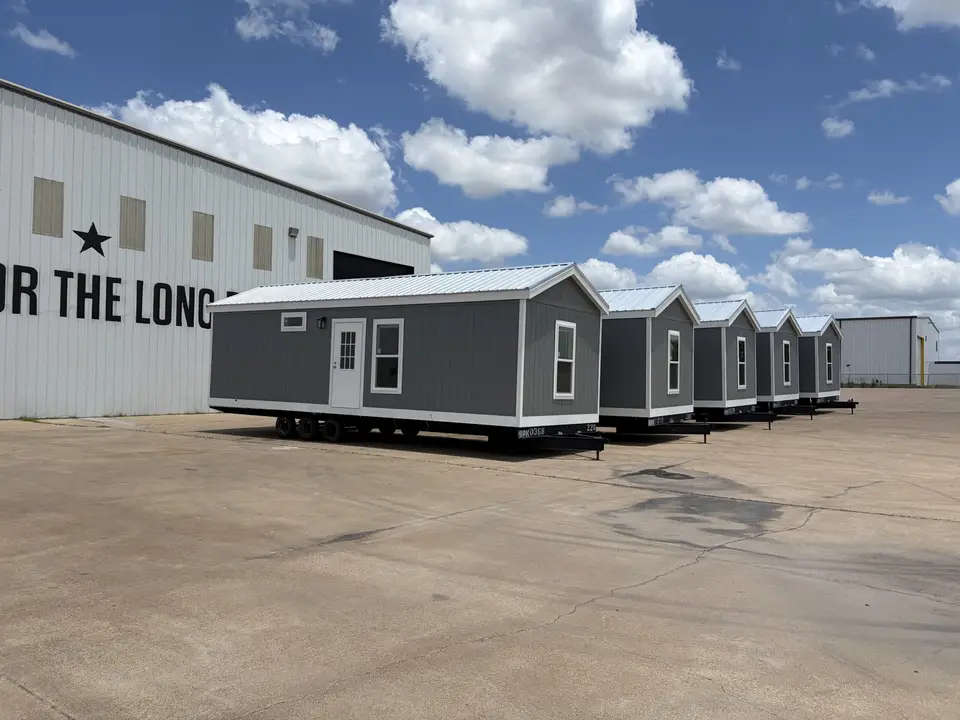
Crew units and sleepers are 16 ft wide and travel as oversize loads under TxDMV permits. A move means pulling utilities, transport, re-setting on a prepared pad, re-leveling, and reconnecting. How fast that happens depends on the crew and site, so plan it in your schedule rather than assuming a number.
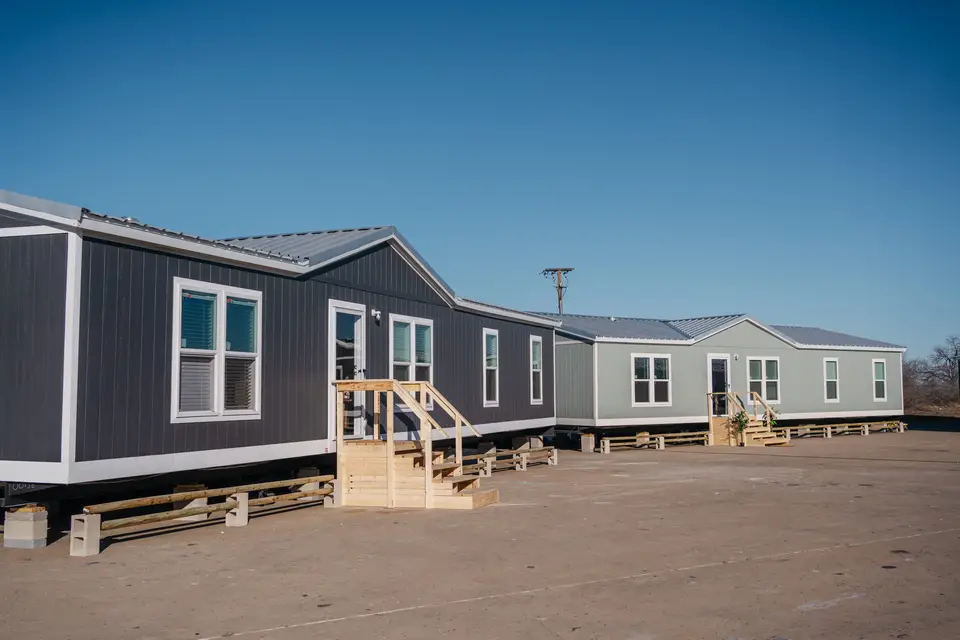
- 16×76 5-room sleeper: five private rooms and baths, no kitchen, for catered spreads
- 7-room sleeper: more beds per load and per pad
- 16×76 5-bed crew unit: crews that cook for themselves
- Skid house vs. bunkhouse: which fits short hops
Where to set units: yards, leased tracts, and the right-of-way
Most contractors set housing at a laydown yard or a short-term lease near the route, with a landowner agreement that covers access, utilities, and restoration. Housing on the right-of-way itself is often restricted by the easement terms, so check your easement and landowner agreements before planning it. County rules on septic, plats, and access still apply on leased land.
Temporary utilities usually mean hauled water with storage tanks or a well, holding tanks with a pump-out contract or septic, and a utility drop or generators. See what utilities a camp needs.
Sizing housing for a spread
Start with peak crew size by phase (clearing and grading, stringing, welding, coating, lowering-in, tie-ins, testing, restoration) and how many people rotate off at once. Then divide by rooms per unit. A 100-person peak is 20 five-room units or 15 seven-room sleepers. See how many beds your project needs.
Moving camp: a leapfrog plan
Camp at Yard 1 houses the full crew while work runs from Yard 1 to the midpoint.
Prepare Yard 2 pads and utilities ahead of the spread.
Move the first half of the units to Yard 2; the rest stay at Yard 1 until that work wraps.
Move the remaining units, restore Yard 1, repeat down the route.
Moving half the camp at a time keeps beds open for every shift and spreads transport cost across the job.
Texas pipeline regions
Takeaway capacity out of the Permian Basin, gathering in the Eagle Ford, and lines to Coastal Bend and Golden Triangle terminals keep spreads moving across the state.
Resale and redeploy
At the end of the job, units move to the next spread or sell. Units kept in good condition hold value because the next job needs beds too. See redeploy or resell and compare owning with hotels in the calculator.
Who buys
Pipeline construction contractors, spread superintendents and project controls, midstream owners, and inspection firms.
The housing problem
- Routes run through counties with little or no lodging.
- The workforce moves along the line, so a camp may need to move with it.
- Budgets need a fixed cost per bed, not a hotel rate that jumps when a refinery turnaround hits.
Typical unit mix
- Mobile camp of 150 beds: 30 five-room units + 1 laundry + 1 dining
- Inspector and supervisor housing: 4-suite kitchenette units
- Short jobs: sleepers without kitchens paired with catered meals
Recommended units: 16×76 5-Room Sleeper (No Kitchen)7-Room High-Density Sleeper16×76 5-Bed, 5-Bath Crew Unit (Shared Kitchen) All models
Timeline
Moves follow the spread. Plan pad prep at the next yard before the crew gets there, and ask us for current unit lead times before the job starts.
Rules and compliance
Temporary camps on leased land still need septic or holding-tank plans and, in many counties, a development permit. Build those into the move schedule.
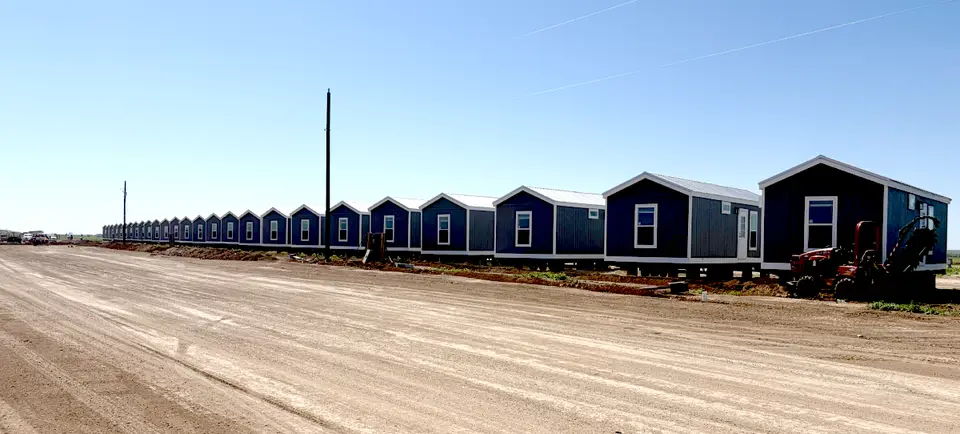
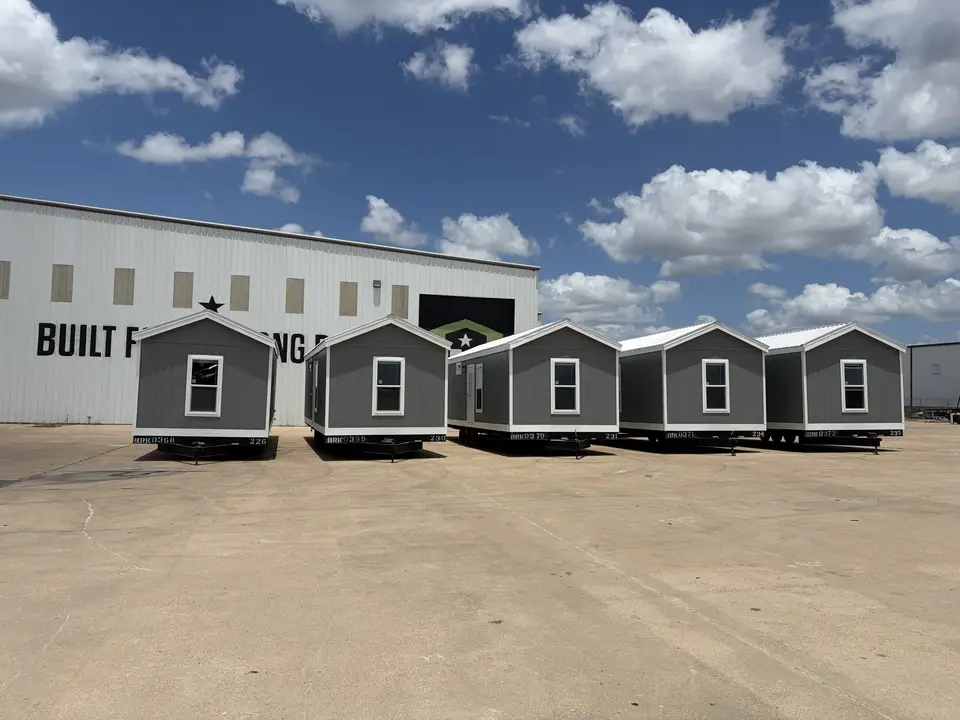
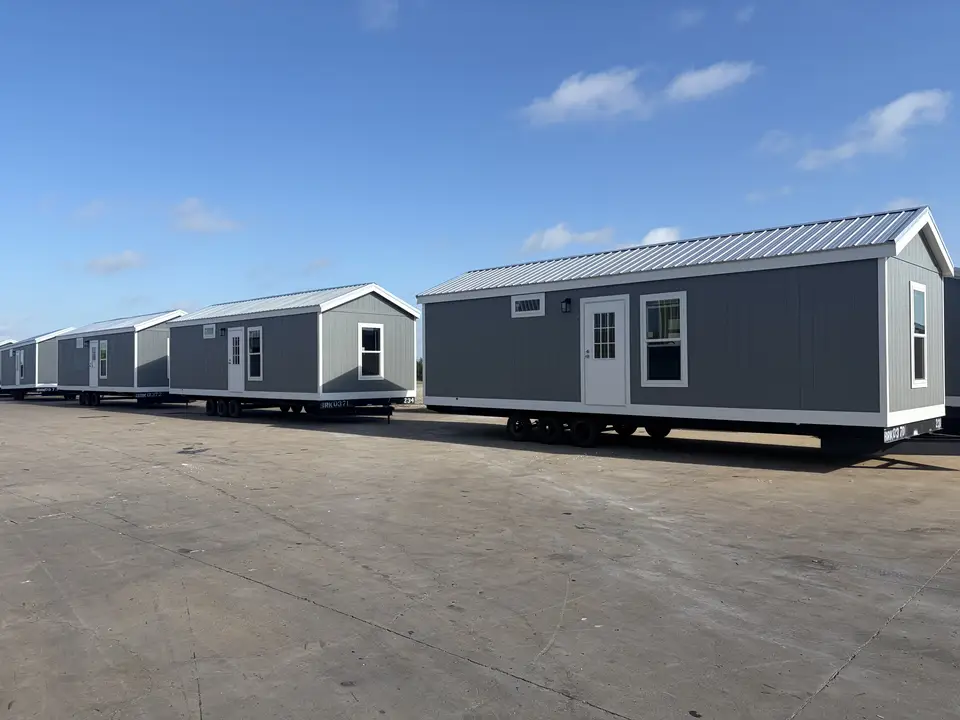
Photos

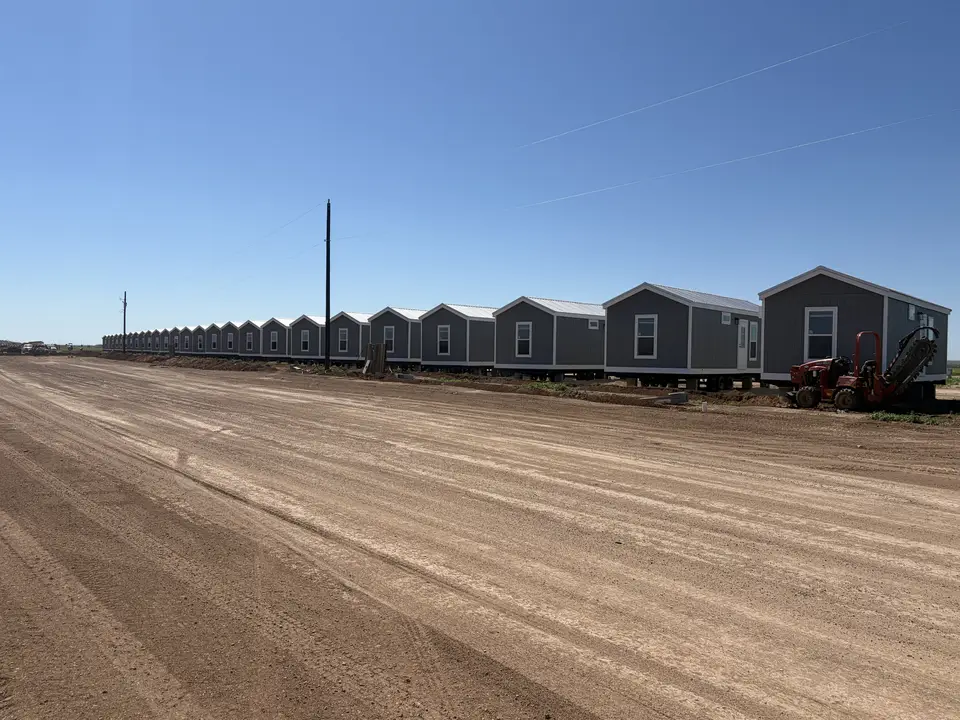
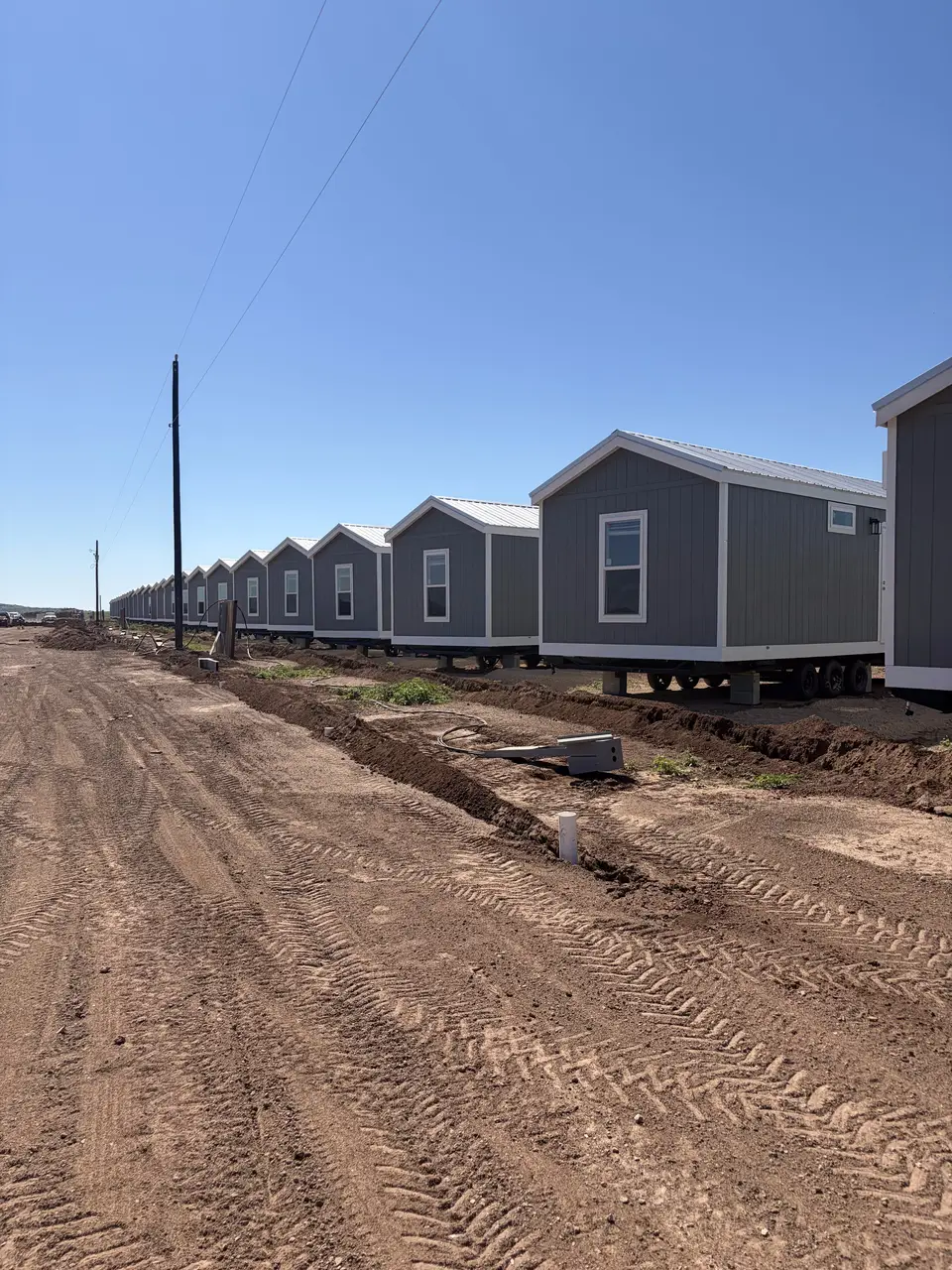
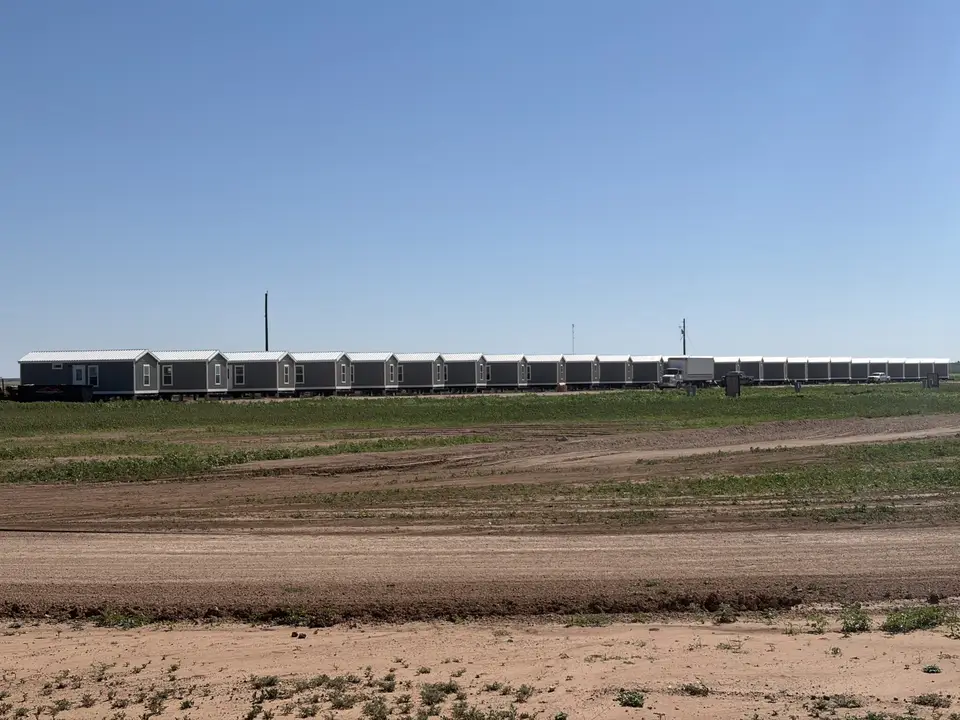
Where in Texas
West Texas & Permian BasinEagle Ford & South TexasCoastal BendGolden Triangle
Common questions
How do pipeline companies house their crews?
In hotels and RV parks in towns along the route, fixed lodges where they exist, and increasingly relocatable crew units the contractor owns or leases.
Can bunkhouses be moved from job to job?
Yes. Crew units and sleepers are built to be transported and re-set. Plan for oversize permits, a prepared pad, and re-leveling and hookups at each move.
Can I put crew housing on the pipeline right-of-way?
Usually only with landowner permission and within the easement terms. Most contractors use laydown yards or leased tracts.
What utilities does a temporary pipeline camp need?
Water (hauled or well), wastewater (holding tanks or septic), and power (a utility drop or generators). See our utilities answer.
Related answers
From the blog
Sources
- TxDMV Oversize/Overweight permits (checked Oct 2026)
Last updated 2026-10-19. Figures are as published by each source on the date shown; re-check before you budget.
New to buying crew housing? Read the Texas workforce housing buyer’s guide.
Price housing for your pipeline & midstream project
Tell us how many workers, where, and when. We come back with unit options, delivery timing, and pricing from the factory.
Start my quoteOther industries
Data centersOil & gasLNG, petrochem & refineriesSolar, wind & power plantsUtility & storm crewsConstruction & manufacturingMining & aggregatesH-2A & farmworker housingDisaster & emergency housingGovernment & militaryTeacher housingHospital & healthcare staffCities, counties & EDCsRV park & man camp operatorsBulk buyers & investorsEmployers & employee housing